
From Misty Hills to Sacred Rituals: My Unfiltered Kerala Story
Some journeys remain just a checklist of destinations, while others unfold slowly, like a story—layer by layer, emotion by emotion. My trip to the lush landscapes of Kerala was one of those stories. It wasn’t merely about ticking places off a map; it was about immersing myself in quiet villages, sacred rituals, mist-covered mountains, and the warmth of people who live close to nature and tradition.
Often referred to as God’s Own Country, Kerala has always held a mysterious charm for travellers like me. From the rolling tea plantations of the Western Ghats to the rhythmic waves of the Malabar Coast and the tranquil backwaters, every corner of the state whispers stories waiting to be discovered. As a solo traveller and storyteller behind Solitary Traveller, I always search for places where culture still breathes through everyday life. Kerala promised that—and delivered even more.
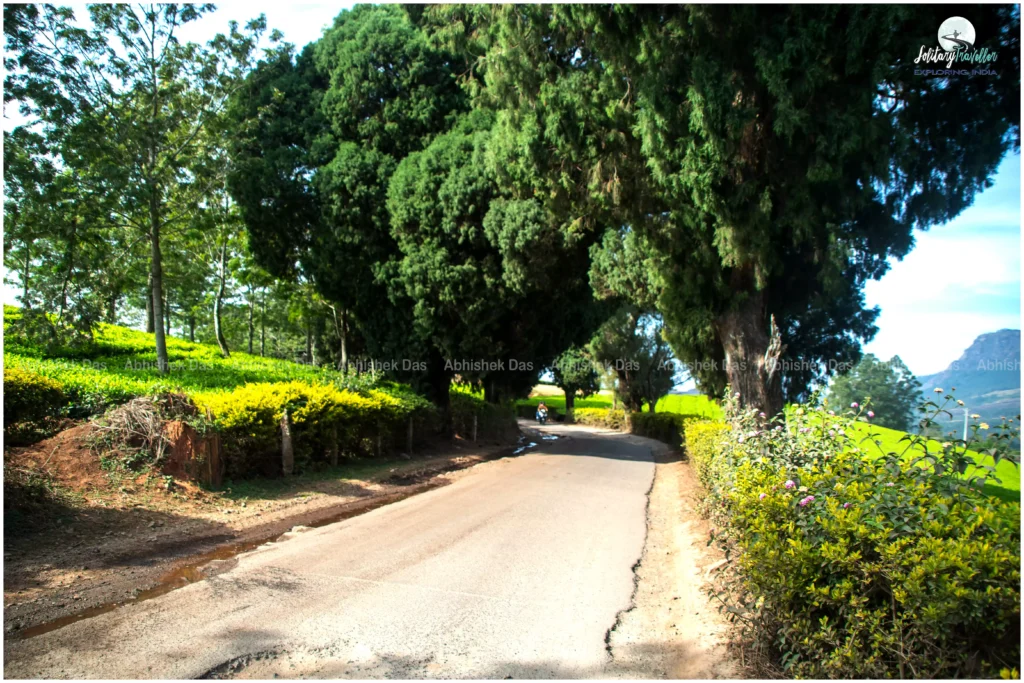
My journey began high in the mountains, in a quiet village called Suryanelli, located near the famous hill town of Munnar. Surrounded by endless stretches of emerald tea gardens and misty hills, Suryanelli felt like a hidden doorway into the soul of Kerala’s highlands. I checked into a small, beautiful hostel nestled deep inside a tea plantation. The air smelled of fresh leaves and mountain mist, and the silence was broken only by the soft rustle of wind passing through tea bushes.
That evening, as the sun slowly disappeared behind the hills, I realised that this journey was going to be different. There were no crowds, no rush, and no fixed expectations—just raw nature and the thrill of discovery.
Chasing the Highest Tea Gardens in the World
The next morning began early as I set out on an off-road jeep ride toward Kolukkumalai, a small mountain hamlet famous for hosting one of the highest tea plantations in the world near Munnar. The rugged trail climbed steadily through rocky paths and mist-covered hills. I had hoped to witness the legendary sunrise from Kolukkumalai, but the mountains had other plans. The sky remained densely clouded, and the thick mist covered the horizon like a soft white curtain.
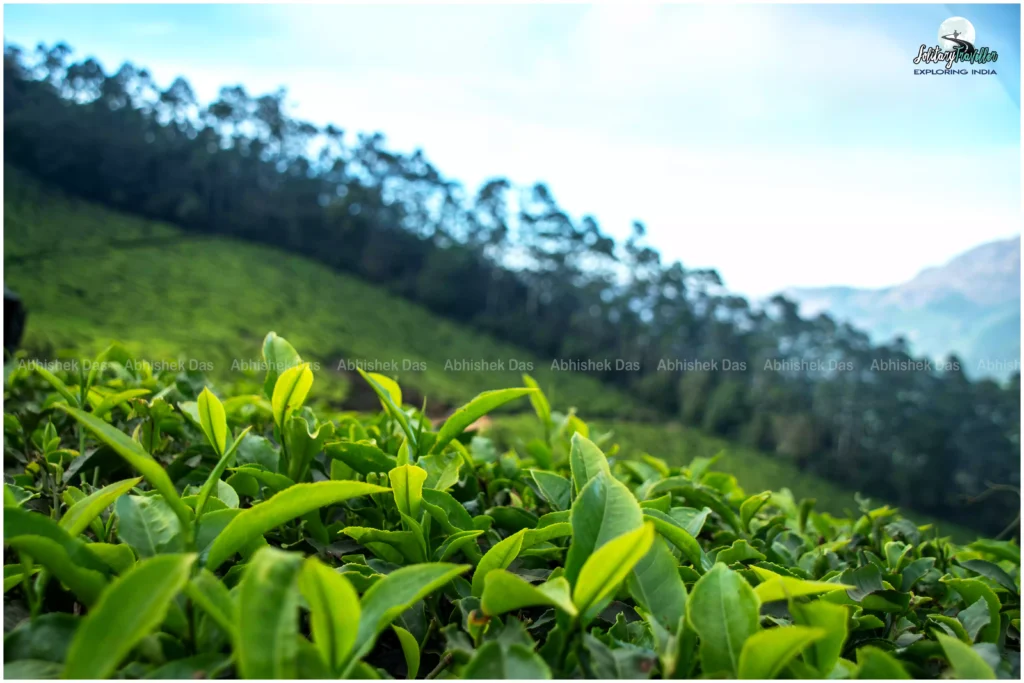
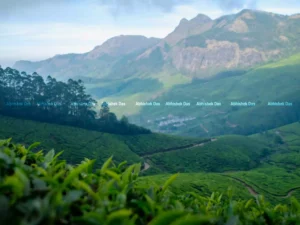
Yet the experience was far from disappointing. As the clouds slowly drifted across the slopes, they revealed glimpses of the stunning tea estates spread across the mountains. Endless rows of emerald-green tea bushes rolled down the hills like waves frozen in time. The mist moving through the plantations created a dreamy landscape, making the entire valley feel surreal and untouched.
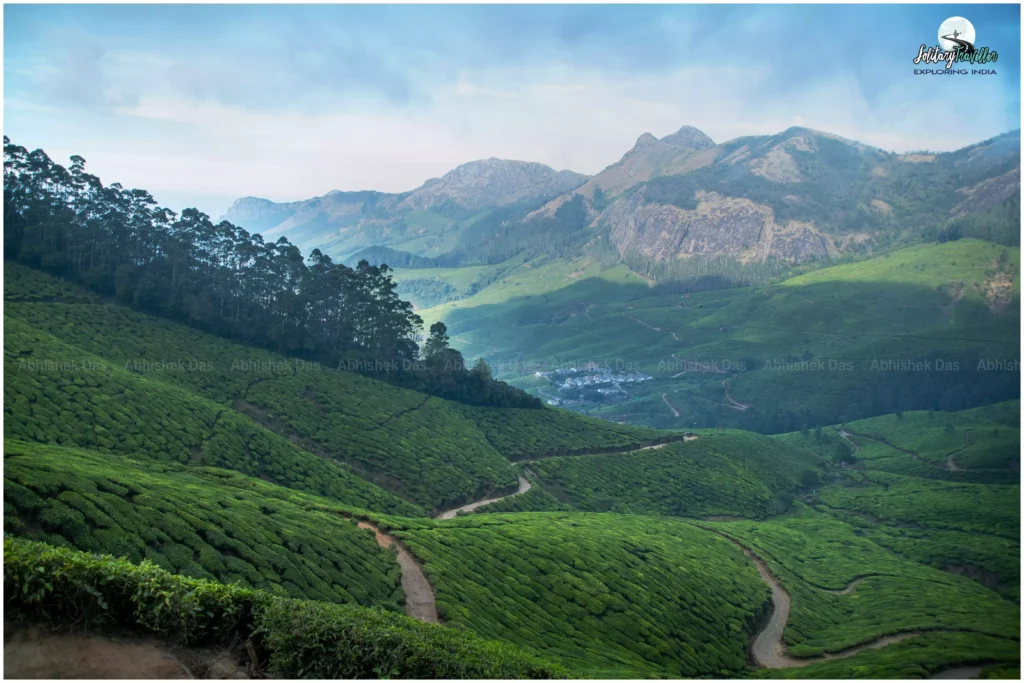
Kolukkumalai is famous for hosting the highest tea plantation in the world, perched at around 7,900 feet above sea level. Standing there, surrounded by ancient tea bushes and the majestic peaks of the Western Ghats, I felt incredibly small and deeply connected to the landscape.
The sunrise from Kolukkumalai is something that words struggle to capture. The horizon slowly lit up in shades of orange and gold, while clouds drifted through the valleys like rivers of mist. In that moment, it felt as though time had paused.
For a traveller searching for solitude and raw landscapes, Kolukkumalai is more than just a viewpoint—it is an experience.
A Quiet Escape to the Hills of Vattavada
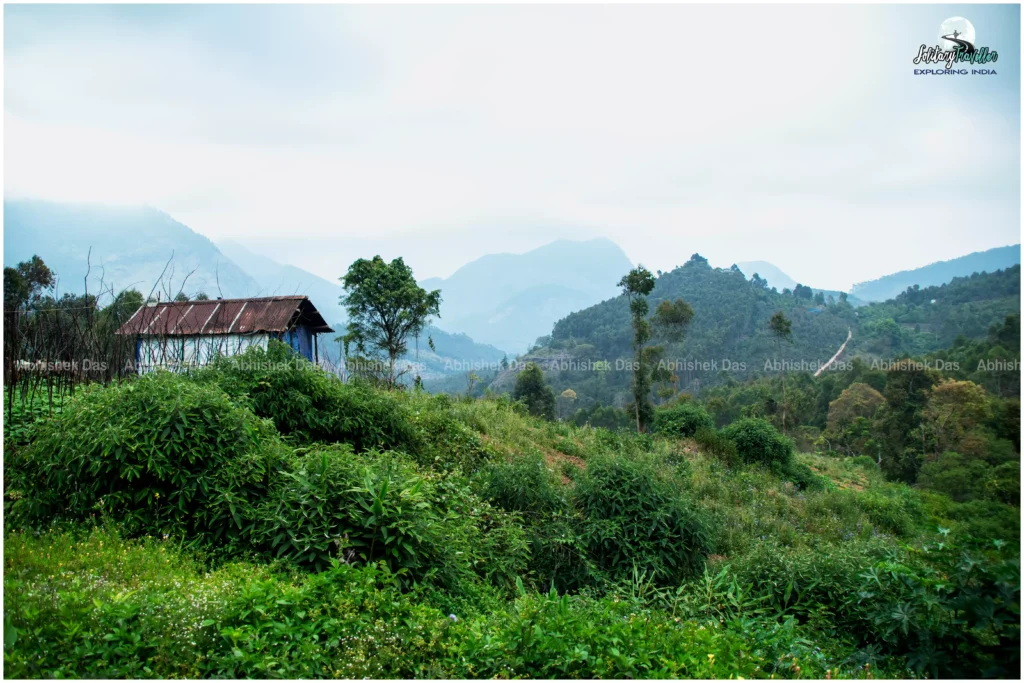
After a magical morning in the tea mountains, I returned to the hostel in Suryanelli, packed my backpack, and boarded a bus heading toward Munnar town. From there, another scenic journey awaited me towards one of the most peaceful villages in Kerala’s highlands—Vattavada.
Unlike the bustling tourist areas of Munnar, Vattavada is a hidden gem tucked away near the Tamil Nadu border. Known for its vegetable farms, fruit orchards, and forest-covered hills, the village felt untouched by the rush of mainstream tourism.
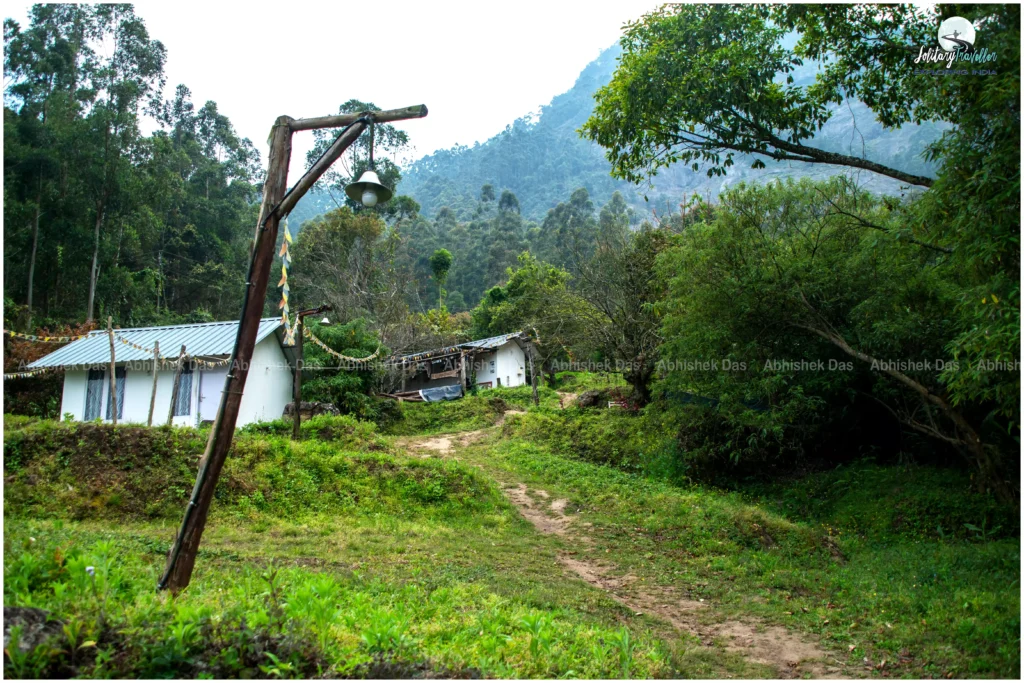
I stayed at a small homestay located right in the middle of the forest. The owner welcomed me like an old friend rather than a guest. That warmth is something you encounter often in Kerala—people don’t just host you, they genuinely care about your experience.
The homestay was surrounded by dense greenery, distant mountain ridges, and the occasional call of birds echoing through the valley. After the noise of cities and popular tourist hubs, the calmness here felt almost therapeutic.
That evening, I sat outside watching the fading sunlight paint the forest in deep shades of gold. The silence was powerful. It was the kind of silence that travellers often search for but rarely find.
Exploring the Untamed Landscapes
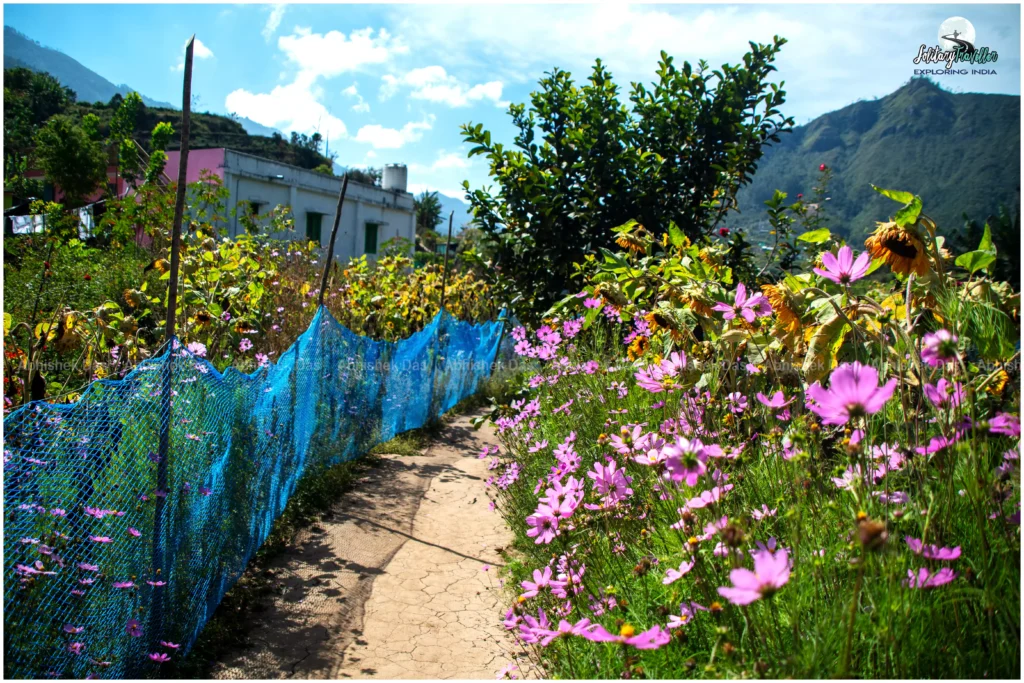
The next morning, the homestay owner arranged a jeep tour to explore the remote surroundings of Vattavada. What followed was one of the most unforgettable explorations of the journey.
The jeep moved through winding dirt roads that cut across forests, valleys, and hilltop viewpoints. Unlike typical sightseeing trips, this felt like entering a wild landscape where nature still ruled.
We passed through remote hamlets, vegetable farms, and forest trails where the air smelled of earth and rain. Occasionally, the jeep would stop at scenic viewpoints where vast green valleys stretched endlessly into the distance.
In those quiet moments, I realised something profound—Kerala isn’t just about famous destinations; it’s about the spaces between them.
Places like Vattavada reveal the untamed, authentic side of Kerala, where life moves slowly, and harmony with nature still defines everyday living.
From Mountains to the Malabar Coast
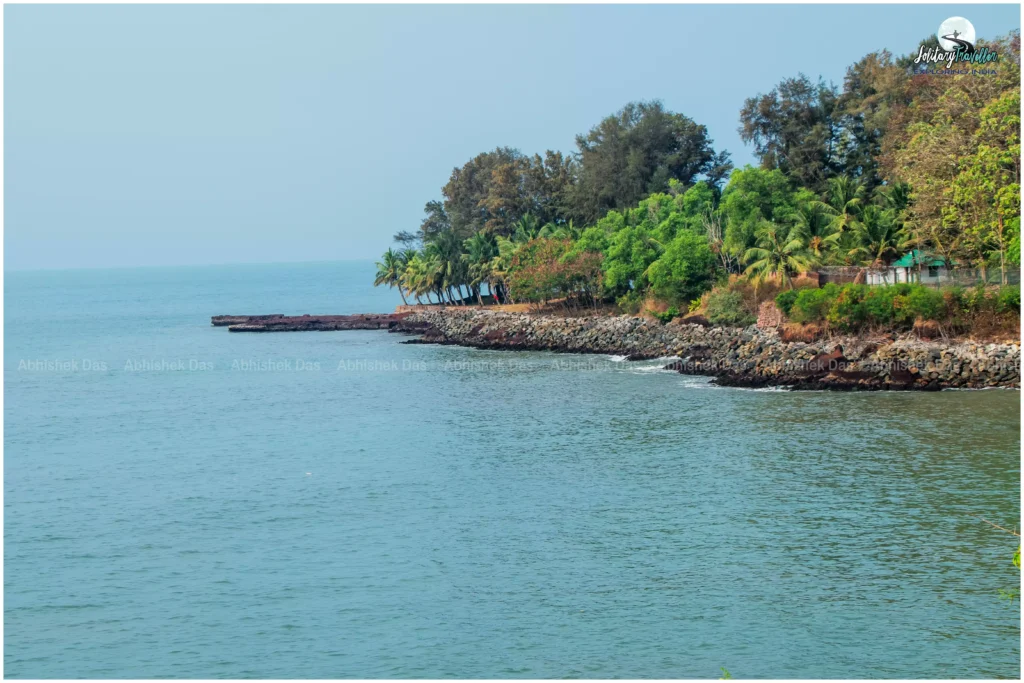
After days spent among misty hills and forests, my journey shifted dramatically in geography and culture. I travelled from the Western Ghats to the northern coastline of Kerala—the culturally rich region of Kannur along the historic Malabar Coast.
Kannur has long been known as the cultural capital of North Kerala, a place where traditions remain deeply woven into daily life. Unlike commercial tourist destinations, Kannur offers something far more powerful—living heritage.
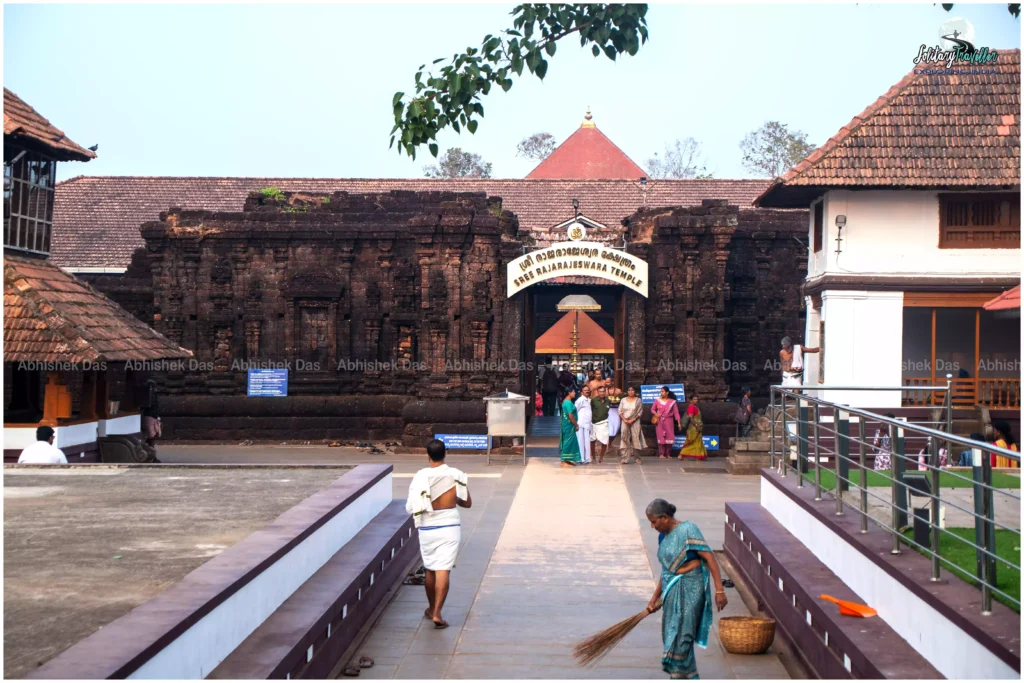
I spent my days exploring ancient temples, quiet streets, and local communities that continue to celebrate rituals passed down through generations.
But the highlight of my visit—and perhaps the most powerful cultural experience of the journey—was witnessing the sacred ritual performance known as Theyyam.
Witnessing the Divine: The Theyyam Ritual
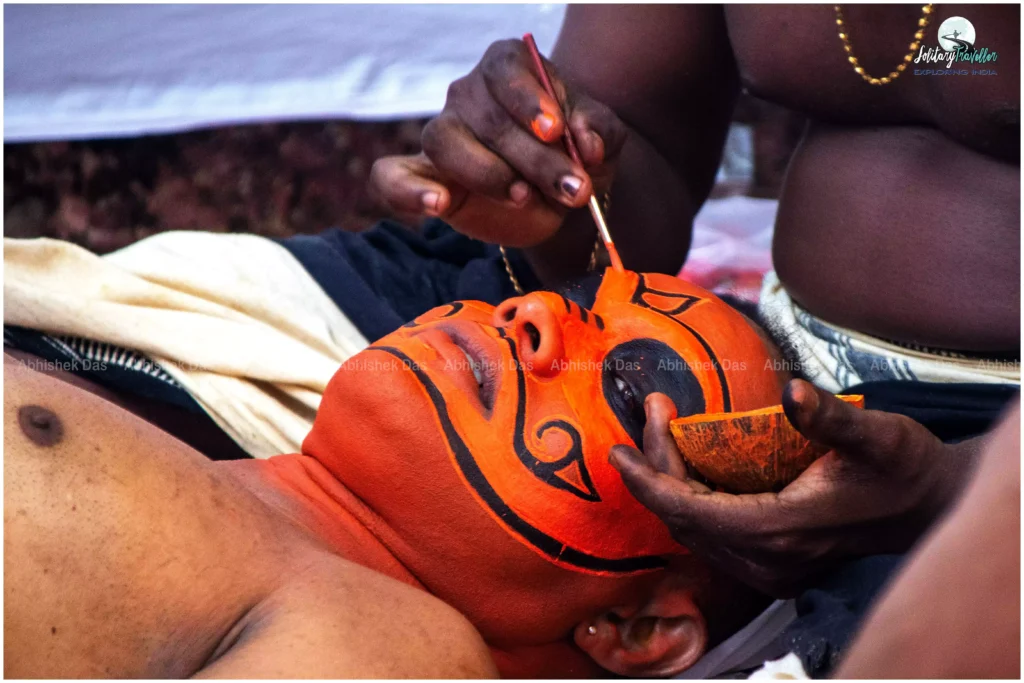
Theyyam is not just a performance—it is a deeply spiritual ritual where performers embody deities and ancestral spirits. The elaborate costumes, vibrant face paint, towering headgear, and rhythmic drumbeats create an atmosphere that feels both mystical and intense.
As the ritual began inside the temple courtyard, the energy was electrifying. The performer, dressed as the deity, slowly entered a trance-like state. Devotees gathered around with reverence and devotion, seeking blessings from the living embodiment of the divine.
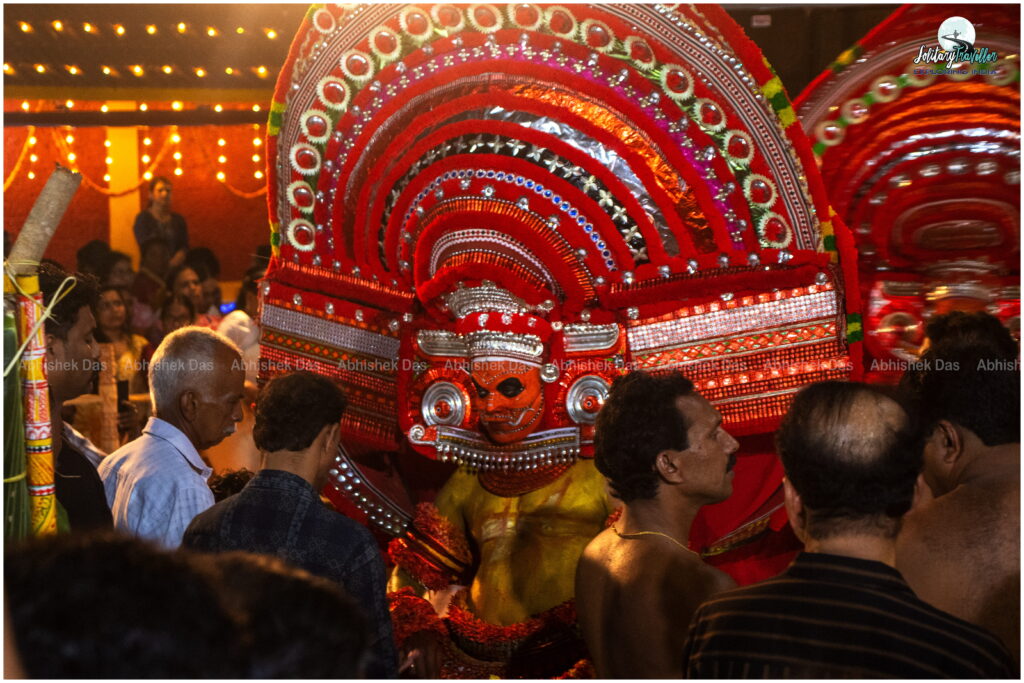
Watching Theyyam up close was a surreal experience. The fire, music, chants, and devotion created an atmosphere that felt centuries old.
In that moment, I understood that Kerala’s culture isn’t preserved in museums—it is lived, celebrated, and passed down through generations.
Evening by the Sea
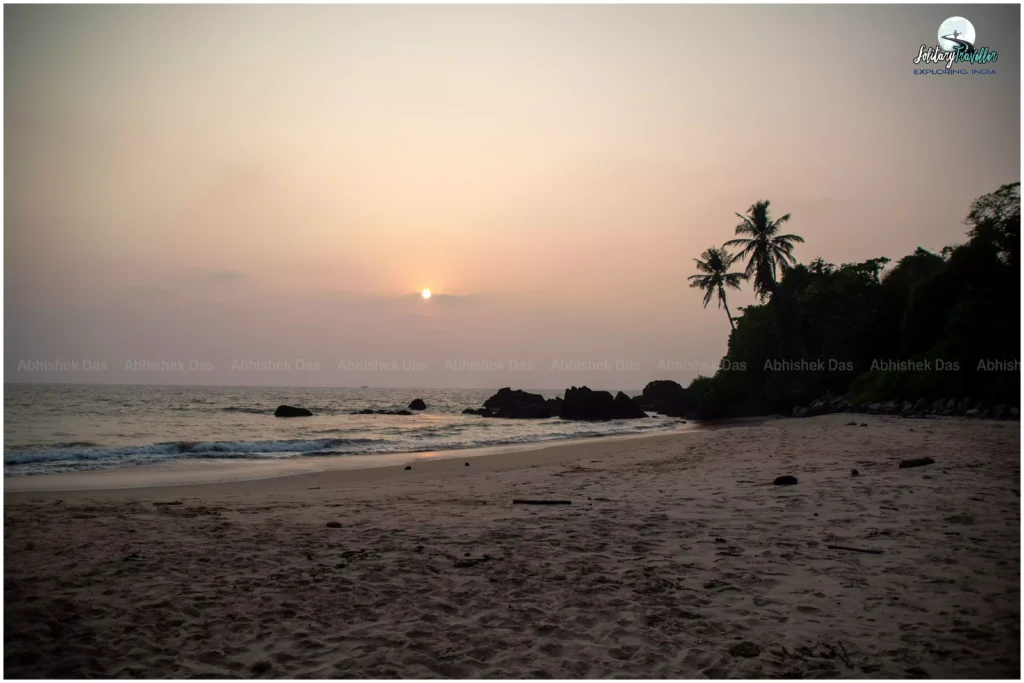
After the intensity of the ritual, I found myself drawn toward the calm of the Arabian Sea. Kannur’s coastline is dotted with quiet beaches where the waves roll in gently, and the sunsets paint the sky in spectacular colours.
One evening, I sat silently by the shore watching the sun disappear beyond the horizon. The sea breeze carried a sense of peace that perfectly balanced the powerful cultural experiences of the day.
Travel often teaches us that contrast creates the most memorable moments—mountains and coastlines, rituals and silence, adventure and reflection.
Kerala seemed to embody all of those contrasts effortlessly.
Life Along the Backwaters
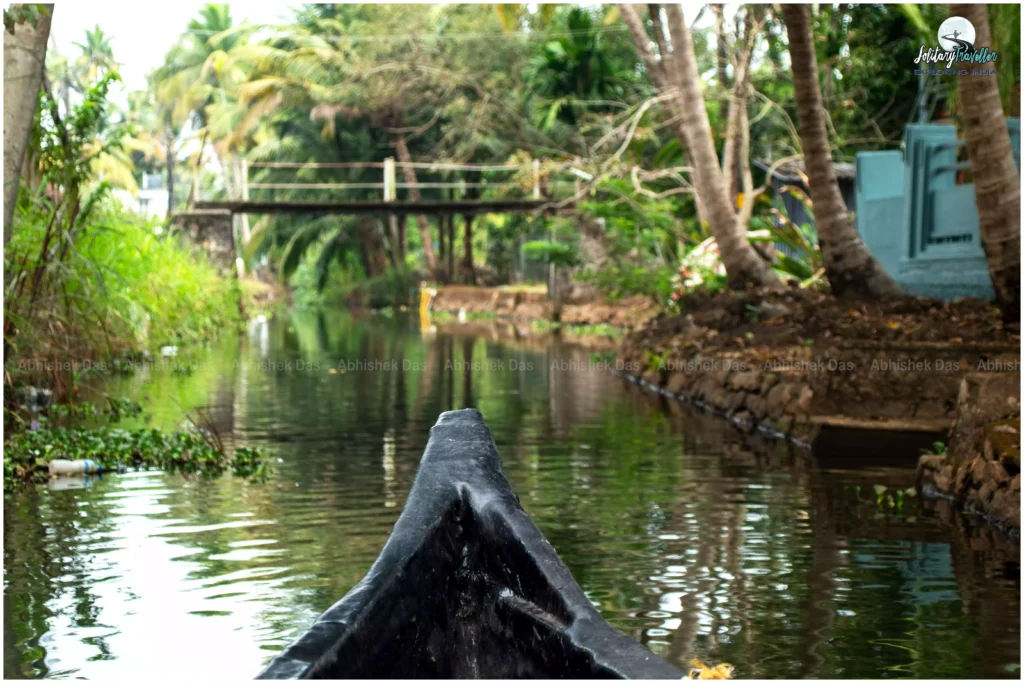
The final chapter of my Kerala journey took me to one of the most iconic landscapes of the state—the tranquil backwaters.
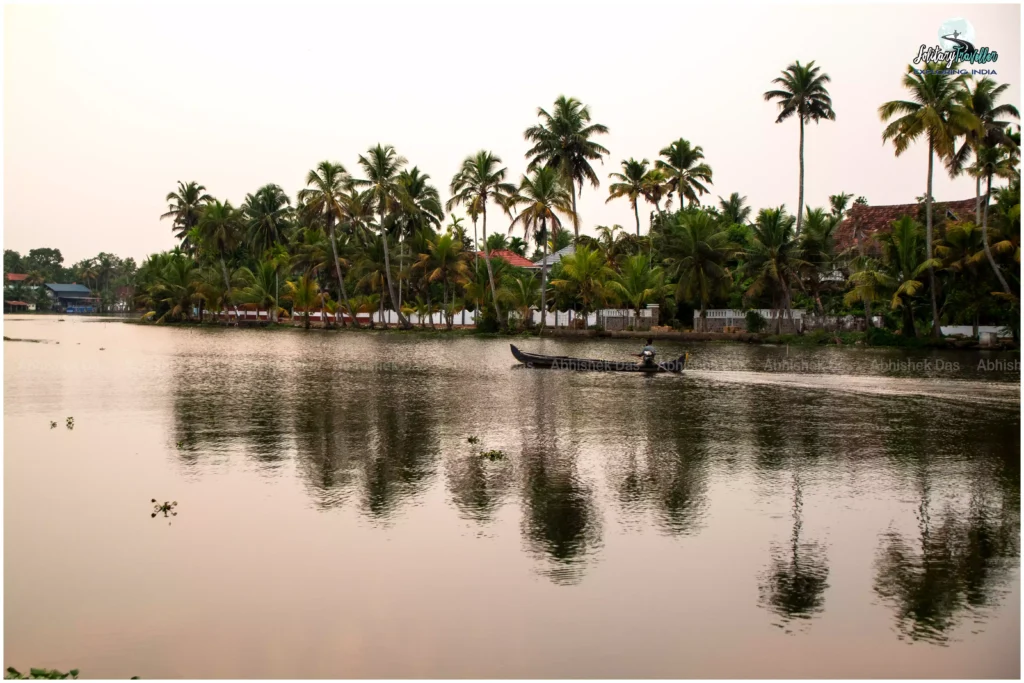
With my friend from Kerala accompanying me, I travelled through villages surrounded by shimmering canals and vast paddy fields. Life here moves in rhythm with water and agriculture.
Small boats glide through narrow canals, fishermen cast nets into quiet waters, and children wave enthusiastically at passing travellers.
Unlike the tourist-heavy houseboat routes, we explored smaller village waterways where the daily lives of locals unfolded naturally around us.
Discovering Village Life
One of the most memorable experiences was visiting a traditional toddy shop, where we tasted freshly tapped palm toddy along with authentic Kerala dishes. Simple wooden benches, freshly cooked seafood, spicy curries, and laughter-filled conversations made the experience feel wonderfully local.
Kerala’s food culture is deeply connected to its landscape—coconut, rice, spices, and seafood dominate the flavours.
But beyond the food, what stayed with me most was the warmth of the people. Conversations flowed easily, even across language barriers, and smiles seemed universal.
A Serendipitous Temple Festival
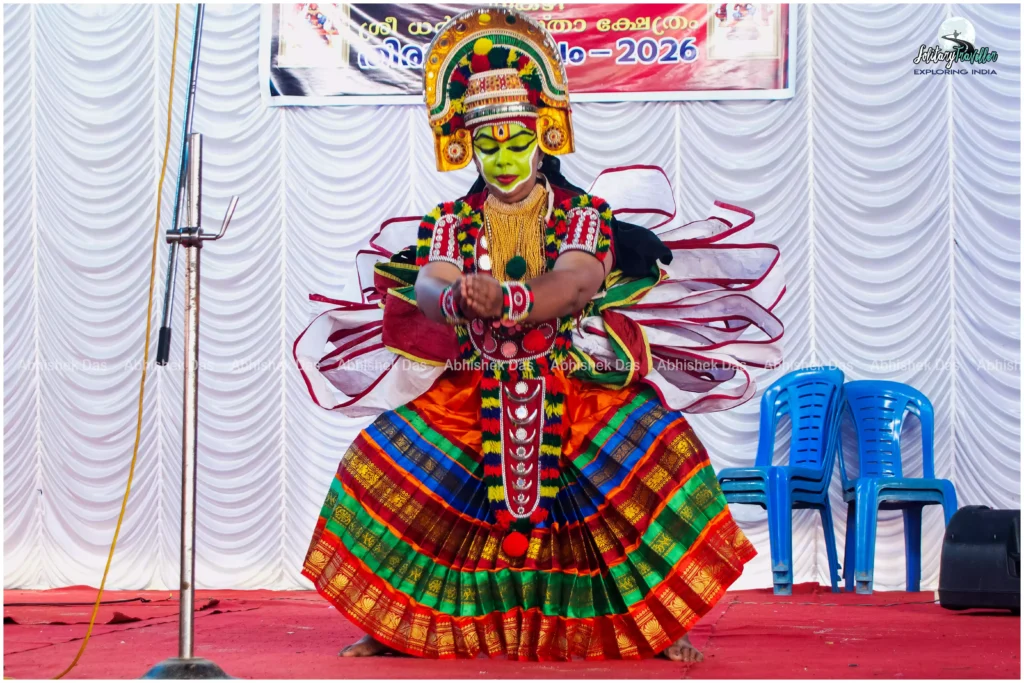
Luck seemed to follow us during the journey. During our village exploration, we learned about a local temple festival taking place nearby.
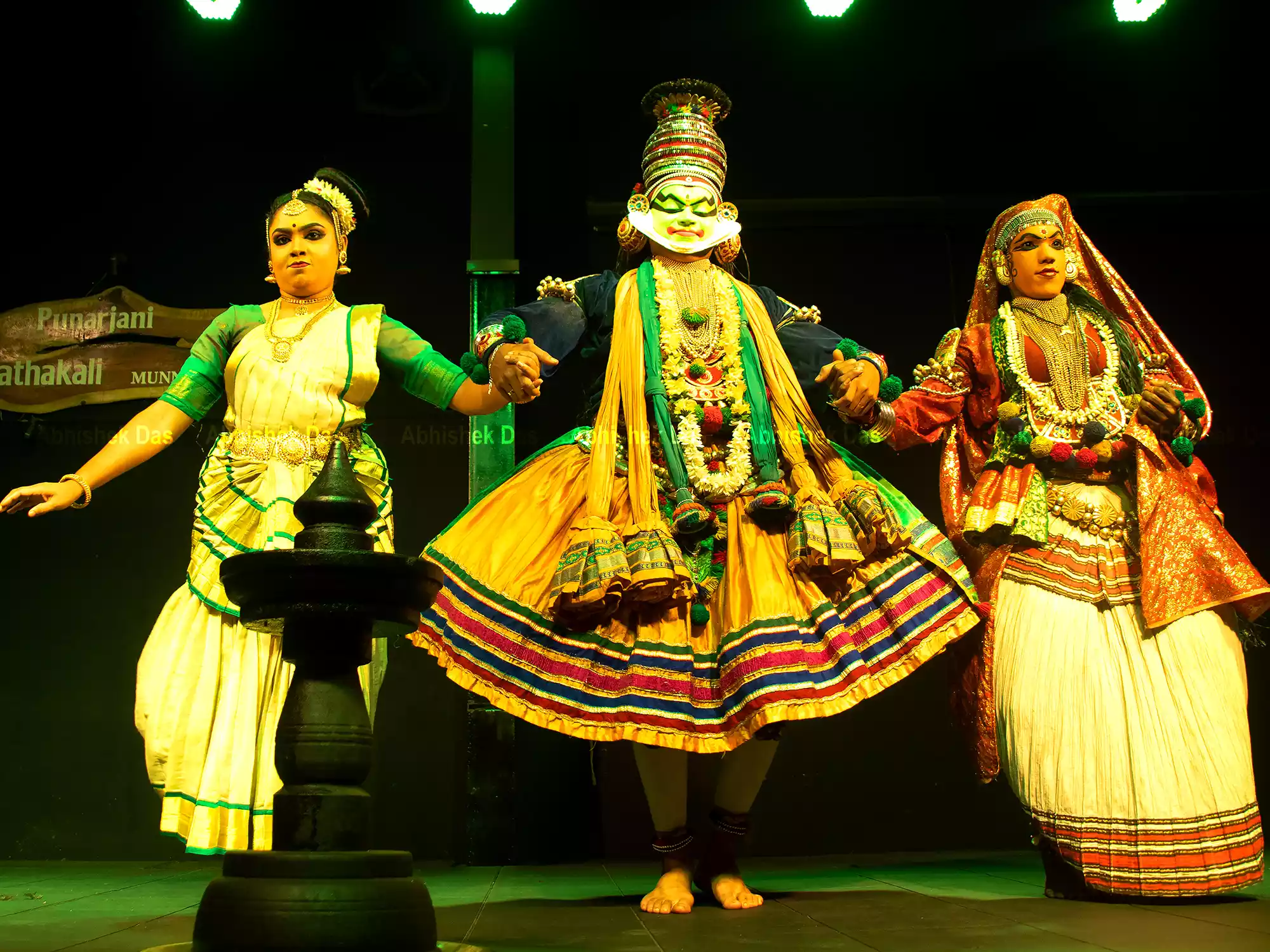
Temple festivals in Kerala are vibrant community events filled with cultural performances, music, and traditional rituals. We joined the celebrations and watched a lively cultural program of Ottam Thullal organised by the temple committee.
Later, we were invited to share a traditional temple meal served to devotees and visitors. Sitting among locals, eating simple but delicious food served on banana leaves, I felt deeply grateful for the openness and hospitality we were shown.
Moments like these are impossible to plan in advance—they simply happen when you travel slowly and stay curious.
The Final Evening in God’s Own Country
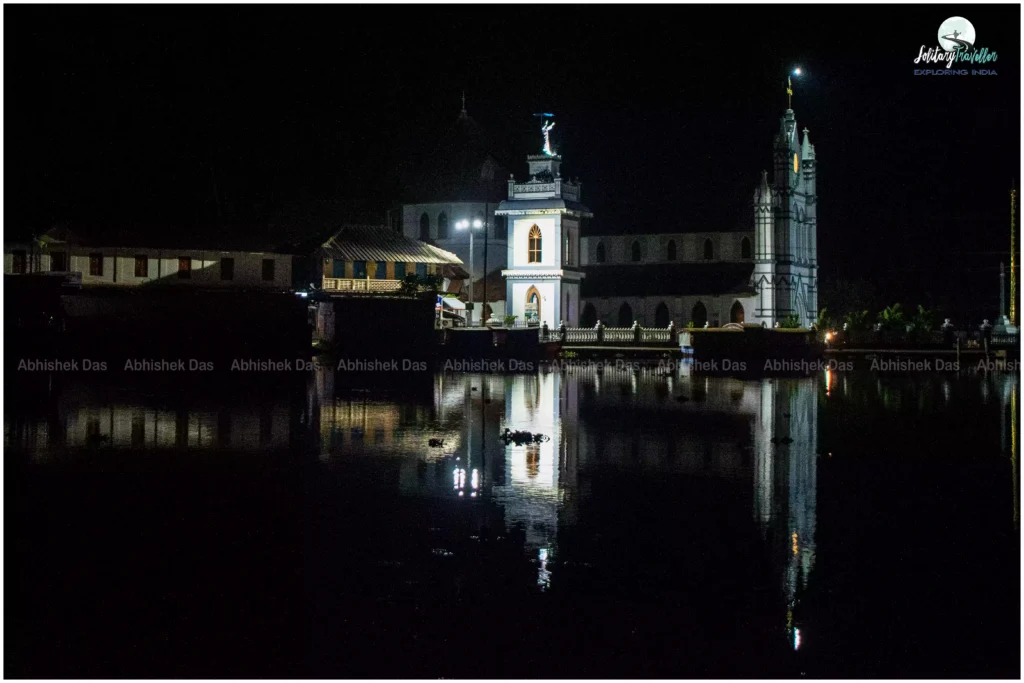
As my journey neared its end, I spent the final night at a quiet homestay overlooking fields and distant waterways. The sunset that evening felt almost symbolic—a golden farewell to a land that had offered me so much beauty, culture, and kindness.
I sat quietly watching the sky change colours while reflecting on the journey that had taken me from misty tea mountains to sacred temple rituals and peaceful backwater villages.
Kerala had revealed itself not through tourist attractions alone, but through moments—unexpected conversations, silent landscapes, and traditions that continue to thrive in everyday life.
A Journey That Stays With You
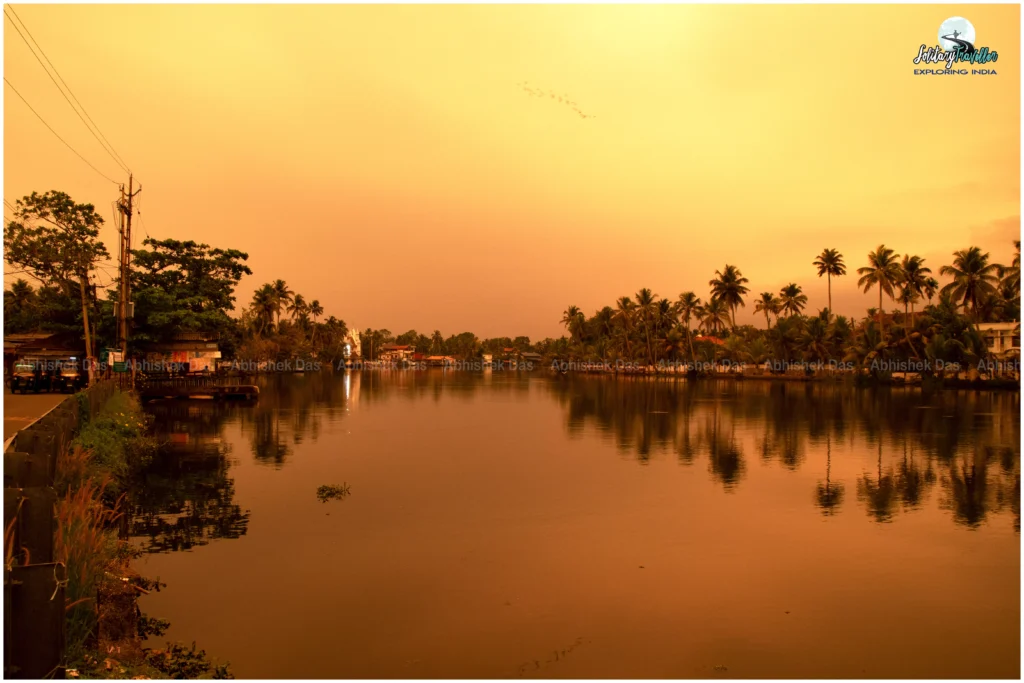
Looking back, this journey through Kerala was more than just travel. It was a reminder that the best experiences often lie beyond popular itineraries.
From the serene tea hills of Suryanelli and Kolukkumalai to the untouched charm of Vattavada, the cultural soul of Kannur, and the tranquil backwaters of village Kerala, every destination added a unique chapter to the story.
Kerala welcomed me not just as a traveller, but as a witness to its landscapes, traditions, and everyday life.
And as I watched that final sunset fade into the horizon, one thought stayed with me—some journeys end on the map, but continue forever in memory.
How to Reach Kerala?
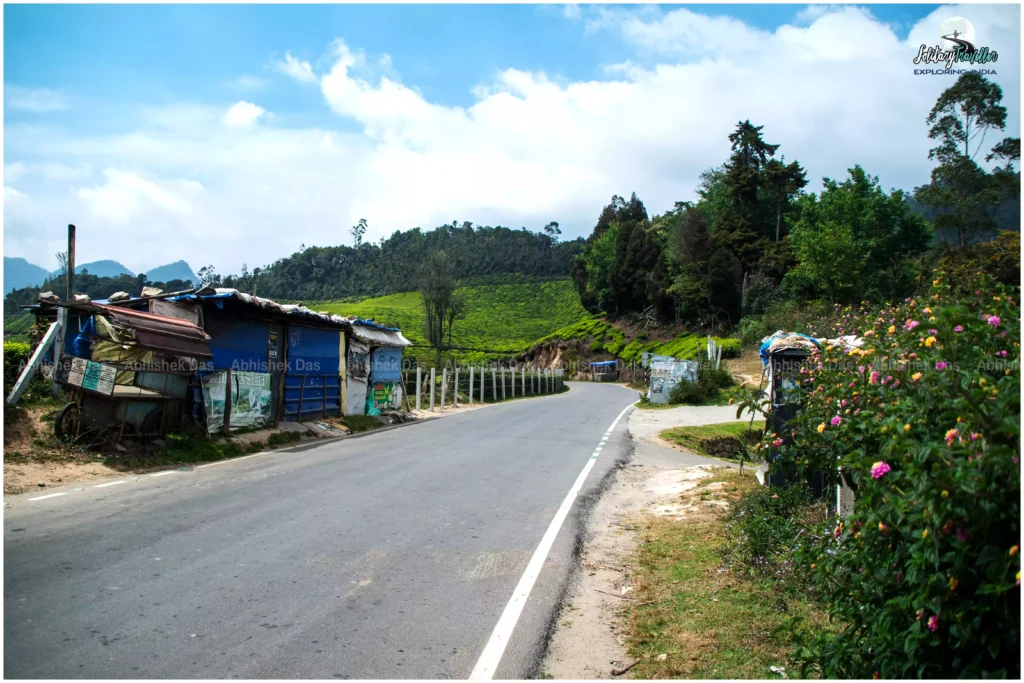
Located along the southwestern coast of India, Kerala is well connected to the rest of the country by air, rail, and road. Whether you are travelling from northern, eastern, or western India, reaching this tropical paradise is relatively easy and convenient.
By Air
The fastest way to reach Kerala is by flight. The state has four major international airports that connect it with major Indian cities such as Delhi, Mumbai, Bengaluru, and Kolkata. The most commonly used airport for travellers exploring the central highlands is Cochin International Airport, located near Kochi. Other important airports include Trivandrum International Airport in Thiruvananthapuram, Calicut International Airport near Kozhikode, and Kannur International Airport serving northern Kerala. From these airports, taxis and buses easily connect travellers to nearby towns and tourist destinations.
By Train
Travelling by train is one of the most affordable and scenic ways to reach Kerala, especially for budget travellers and backpackers. Major railway stations like Ernakulam Junction railway station, Thiruvananthapuram Central railway station, Kozhikode railway station, and Kannur railway station are well connected with long-distance trains from across India. Direct trains operate from cities such as Chennai, Hyderabad, Ahmedabad, and Kolkata. The railway journey into Kerala is particularly memorable as the train passes through lush landscapes, rivers, and coconut-lined villages.
By Road
Kerala is also accessible via an extensive network of national highways connecting neighbouring states like Tamil Nadu, Karnataka, and Andhra Pradesh. State-run and private buses regularly operate between major South Indian cities and towns in Kerala. Road travel allows visitors to enjoy the changing scenery—from mountain passes in the Western Ghats to coastal plains along the Arabian Sea.
For travellers who enjoy slow journeys and immersive experiences, trains and buses often offer the most authentic way to arrive in Kerala.
How to Travel in Kerala on a Budget: My Experience Using Buses and Rented Bikes
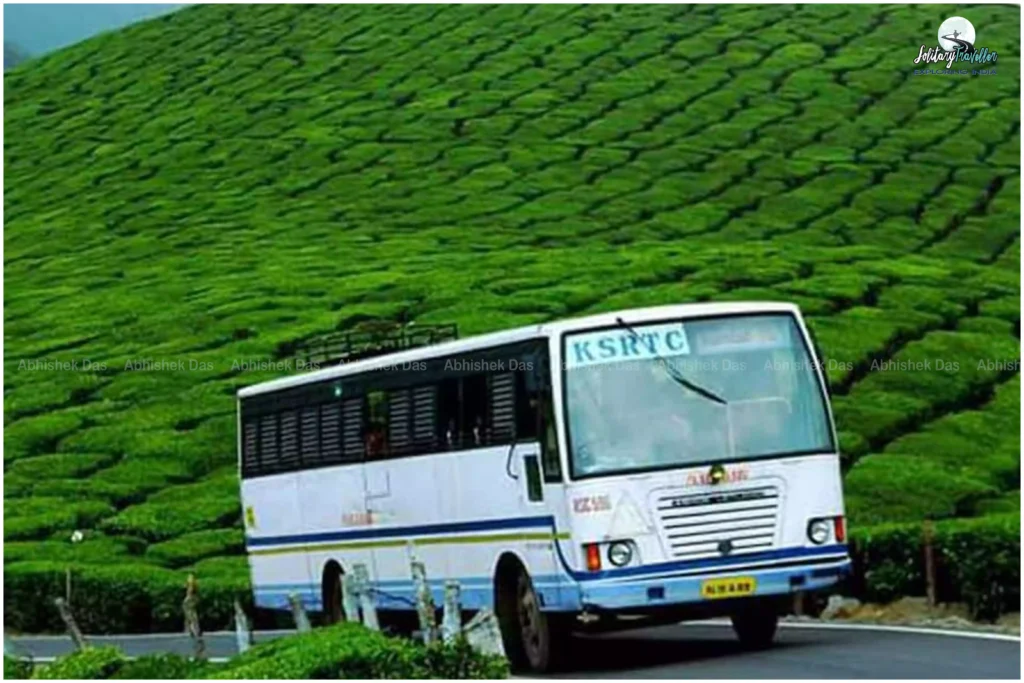
Exploring Kerala does not have to be expensive. In fact, one of the best ways to experience the real spirit of the state is by travelling like the locals. During my journey across the hills, coast, and backwaters, I relied mostly on the public bus network and a rented motorbike. This combination turned out to be one of the most budget-friendly and flexible ways to travel across Kerala.
Travelling by KSRTC Buses
The backbone of public transportation in Kerala is the state-run bus network operated by Kerala State Road Transport Corporation, commonly known as KSRTC. These buses connect almost every town and village in the state, making them extremely useful for travellers exploring beyond the popular tourist hubs.
From hill stations like Munnar to remote villages such as Vattavada, KSRTC buses run frequently and are surprisingly affordable. During my journey, I often took early morning buses to move between destinations. The fares usually ranged between ₹40 and ₹200 depending on the distance, which made it perfect for a solo budget trip.
Another advantage of travelling by bus is the opportunity to observe daily life. Sitting beside local commuters, farmers, students, and workers gave me a closer glimpse of Kerala beyond the tourist lens. The routes themselves were often scenic, passing through tea plantations, forests, and coastal roads.
Exploring with a Rented Bike
While buses are great for intercity travel, renting a bike gave me the freedom to explore hidden corners at my own pace. I rented a motorcycle from Munnar and used it to visit nearby villages and viewpoints that are difficult to reach by public transport.
Riding through the winding roads of the Western Ghats felt incredibly liberating. I could stop anywhere—whether it was a quiet tea estate viewpoint, a roadside chai stall, or a remote village road surrounded by forests.
Bike rentals in tourist towns generally cost between ₹400 and ₹800 per day, depending on the model. Fuel costs were also manageable since most destinations were within short distances.
Why This Combination Works Best
Using KSRTC buses for longer distances and renting a bike for local exploration helped me keep my travel budget low while still enjoying the freedom to explore offbeat places. It also made my journey feel more authentic and immersive.
For travellers who want to explore Kerala slowly and meaningfully, this combination of public buses and rented bikes is one of the smartest and most economical ways to travel.
Local Dishes to Try in Kerala
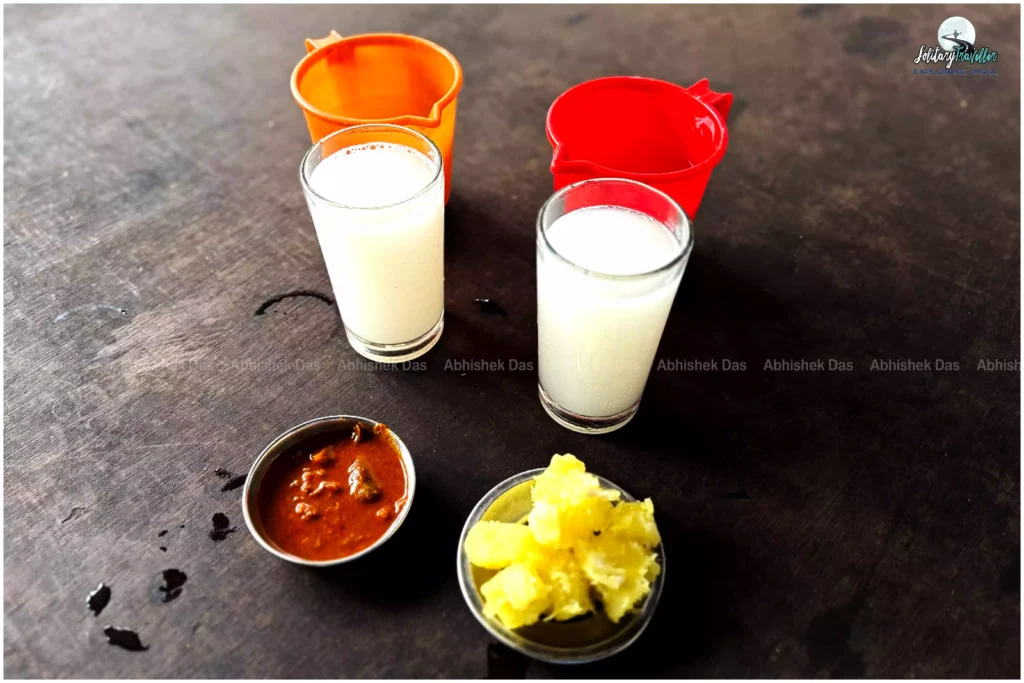
One of the most memorable parts of travelling through Kerala was discovering its incredible local food. As a solo traveller exploring villages and small towns, I mostly ate at local restaurants and roadside eateries. To my surprise, many of these small places were extremely clean, well-maintained, and served fresh, home-style food that truly reflected Kerala’s culinary culture.
For non-vegetarian travellers, Kerala feels like a food paradise. Seafood, chicken, beef, and duck are widely available and cooked with aromatic spices, coconut, and curry leaves that give the dishes their distinctive flavour.
Kerala Meals with Fish Curry
One of the most common meals you will find in local restaurants is the traditional Kerala meal served on a banana leaf or steel plate. It usually includes rice, vegetable curries, pickles, and the highlight—spicy fish curry. Fresh fish cooked in a tangy coconut and tamarind gravy is a staple across the coastal belt of Kerala.
Malabar Biryani
While travelling along the Malabar coast near Kannur, I had the chance to try the famous Malabar Biryani. Unlike other biryanis in India, this version uses short-grain rice and is lightly spiced yet incredibly aromatic. The chicken or beef is cooked separately and layered with rice, creating a rich but balanced flavour.
Appam and Stew
In many small eateries, I also tried the classic combination of Appam with stew. Appam is a soft, bowl-shaped fermented rice pancake with crispy edges and a fluffy centre. It is usually served with a chicken or vegetable stew cooked in coconut milk, making it both mild and comforting.
Toddy Shop Specialities
In the backwater villages around Pulinkunnu and Takazhi, toddy shops are famous for serving authentic local dishes. Here, I tasted spicy beef roast, fried fish, and tapioca dishes that perfectly complemented the local drink known as Toddy, made by tapping coconut flowers.
A Culinary Experience Beyond Restaurants
What made the experience even more special was the warmth of the people serving the food. The small family-run restaurants often felt like extensions of home kitchens. Meals were simple, freshly cooked, and deeply satisfying after a long day of travel.
For anyone exploring Kerala, food is not just about eating—it’s about understanding the culture, the land, and the traditions that shape everyday life.
Best Season to Travel to Kerala
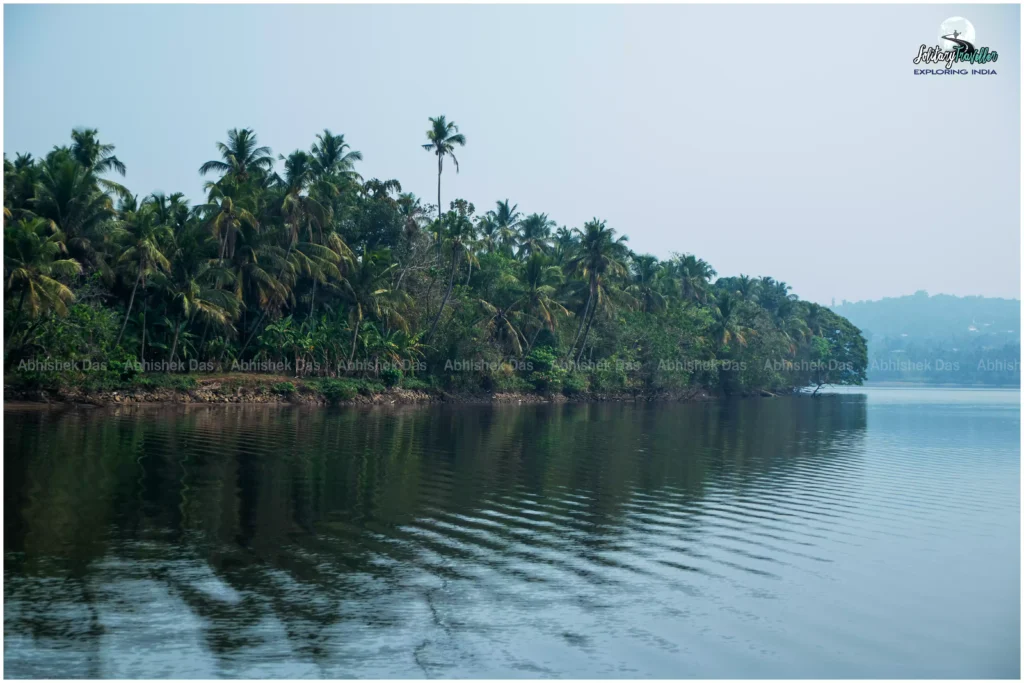
The best time to explore Kerala largely depends on the kind of experience a traveller is seeking, but for those interested in culture, pleasant weather, and outdoor exploration, the months between October and March are considered ideal. During this period, the monsoon rains have receded, the landscapes remain lush and green, and the climate is comfortable for travelling through hill stations, coastal towns, and backwater villages.
From my personal travel experience, February turned out to be one of the most rewarding months to visit Kerala. The weather was neither too humid nor too cold, which made it perfect for moving between destinations using local buses and motorbikes. The tea plantations around Munnar looked vibrant after the monsoon season, and the mountain air in nearby villages like Vattavada felt refreshingly calm compared to the busy tourist centres.
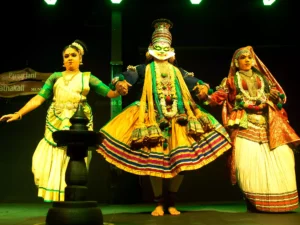
What made February even more special was the opportunity to witness Kerala’s traditional cultural festivals. During my time in Kannur, along the Malabar coast, I had the rare opportunity to experience Theyyam, one of the most sacred and visually striking ritual performances in northern Kerala. Held in temple courtyards and sacred groves, Theyyam is not just a performance but a deeply spiritual tradition where performers enter a trance-like state and embody local deities.
Attending the festival late at night and early in the morning, surrounded by rhythmic drums, fire rituals, and vibrant costumes, offered an unforgettable cultural experience that cannot be found in regular tourist attractions.
For travellers who want to combine scenic landscapes with authentic cultural experiences, visiting Kerala during the winter months—especially January and February—can be the perfect time to explore the state in its most vibrant and festive form.

Comment (0)